
I believe that, although I didn’t have the language for it at the time, fostering has always been woven into who God created me to be.
Growing up as the child of a single mother, I experienced firsthand that no one person is designed to do it all or carry the weight of raising a child alone. There were gaps in my life, not because my mom wasn’t doing her absolute best, but because sometimes we all need someone to step in and help carry the load. Throughout my childhood, adolescence, and even into adulthood, I experienced the impact of people who chose to step into those gaps.
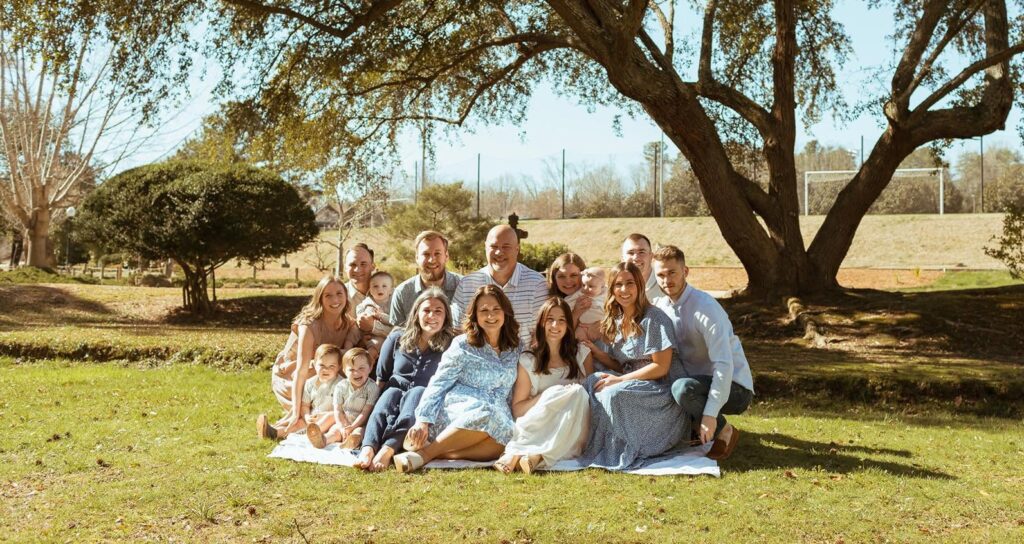
In an unconventional way, fostering was even part of my childhood. My mom and grandmother unofficially fostered my four cousins throughout my childhood and into my early teen years. I was an only child, but I have always felt that my cousins and I share more of a sibling bond. Looking back, I can see how these experiences began shaping my heart for foster care long before I understood what that would look like in my own life.
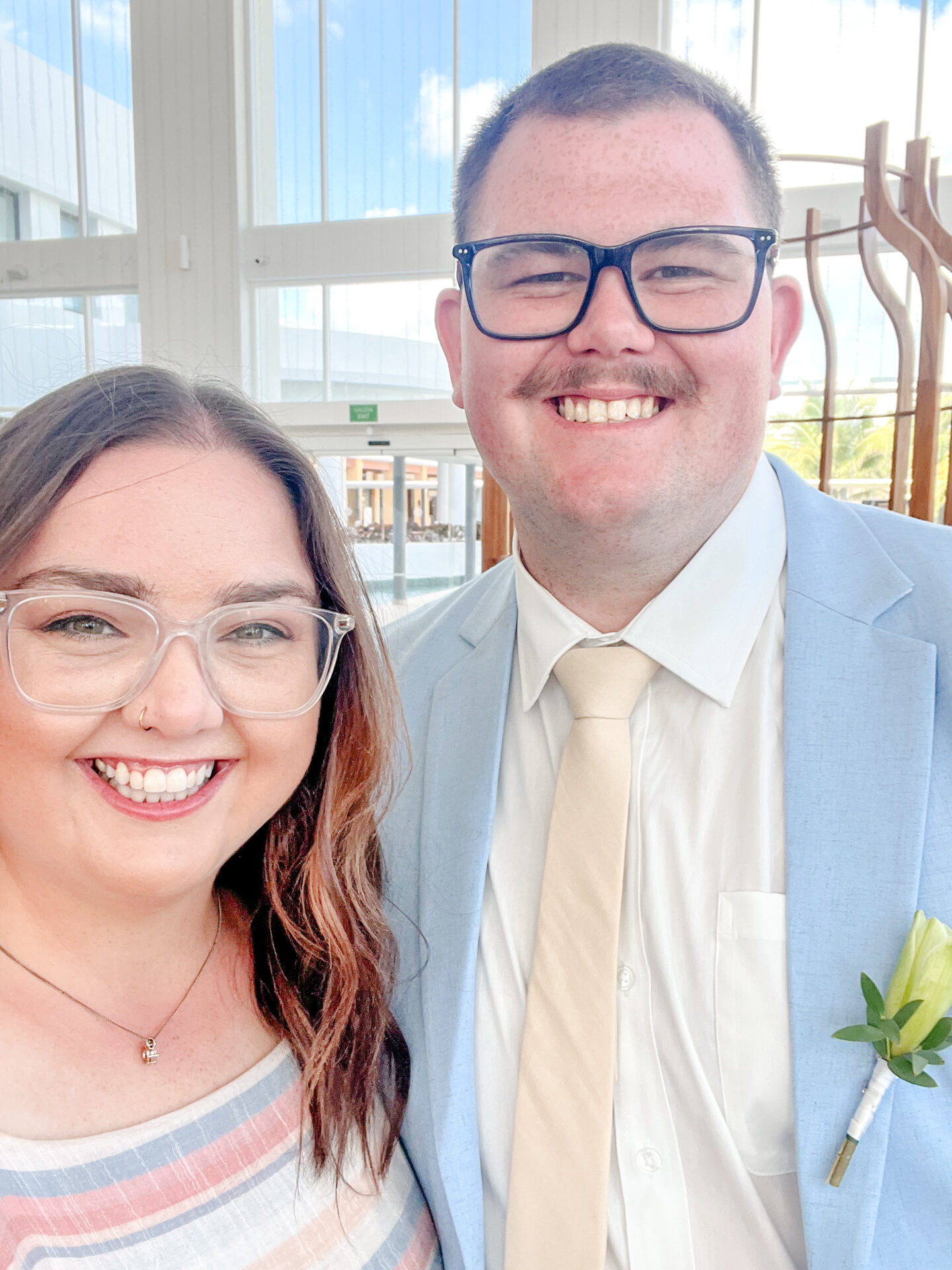
My husband, Austin, also has a unique perspective on family and permanency. He was adopted and raised by his grandfather as a child. Together, we have both experienced the ways family can look different than we might expect, and how meaningful it can be when someone steps in to provide stability, love, and care.
When Austin and I watched the movie Instant Family, we were both deeply impacted by it. We had just gotten married the month before, and that night, we had a conversation that one day we would foster.
Over the next several months, foster care kept coming up in seemingly unexpected places. People we knew were stepping into jobs within the child welfare system, and conversations about foster care seemed to find their way into our lives again and again. We began talking more intentionally with each other and with people we trusted, learning about the system and what it might look like for us to become foster parents.
One thing we knew from the beginning was that we wanted to be part of the story of family reunification. We wanted to come alongside families during some of their hardest seasons and play even a small part in a story of redemption and restoration. In 2021, Austin and I became licensed therapeutic foster parents through the state of Virginia where we lived at the time.
Our first placement was two girls who came to our home after experiencing multiple disrupted placements within just a matter of months. They lived with us for nearly two years before finding permanency through an adoptive placement. Between our first and second placements, we also provided respite care for three children. Our second placement was a brother and sister who lived with us for about eight months. During that time, we advocated and fought alongside their family for them to be placed with kin. Ultimately, we were able to see them reunify with their family.
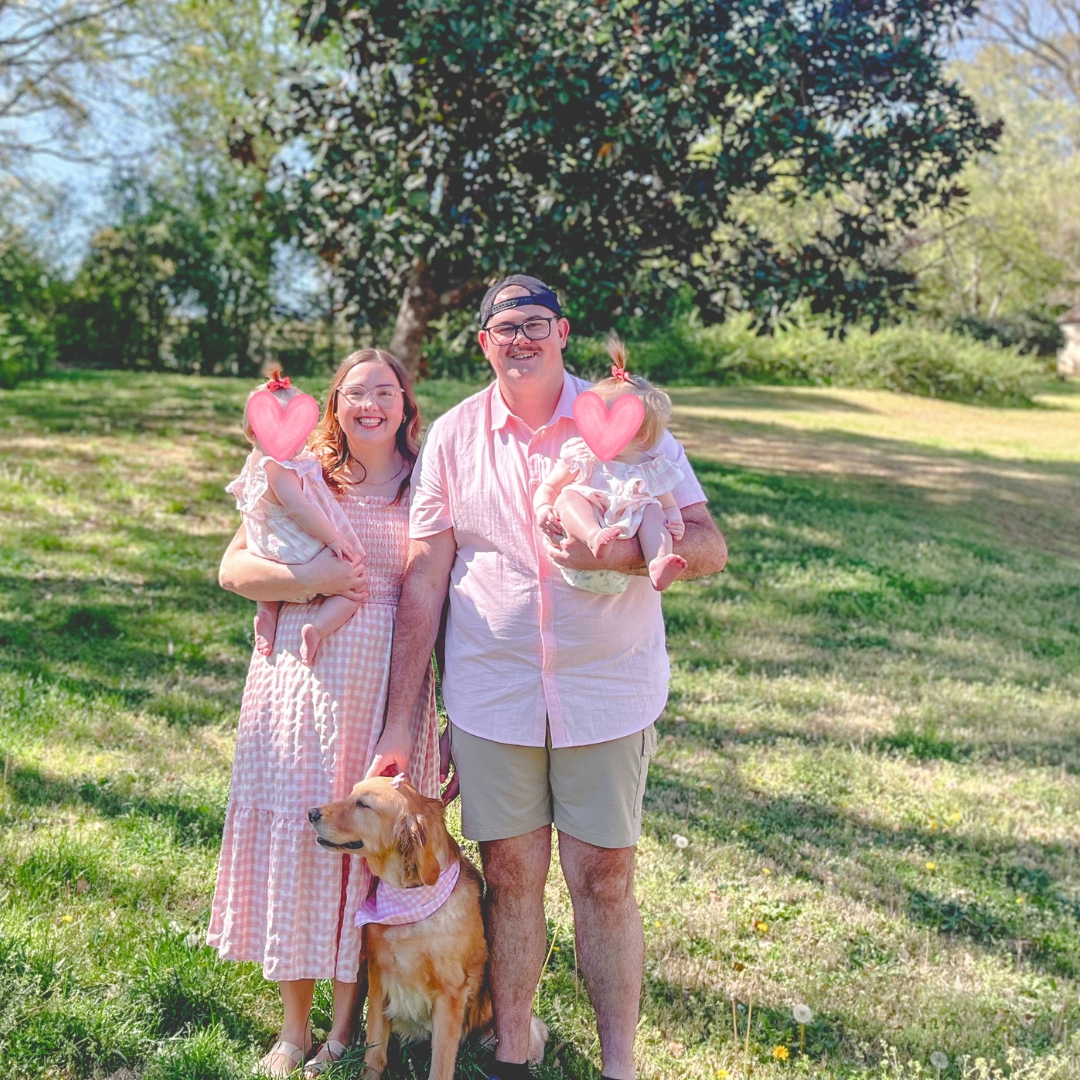
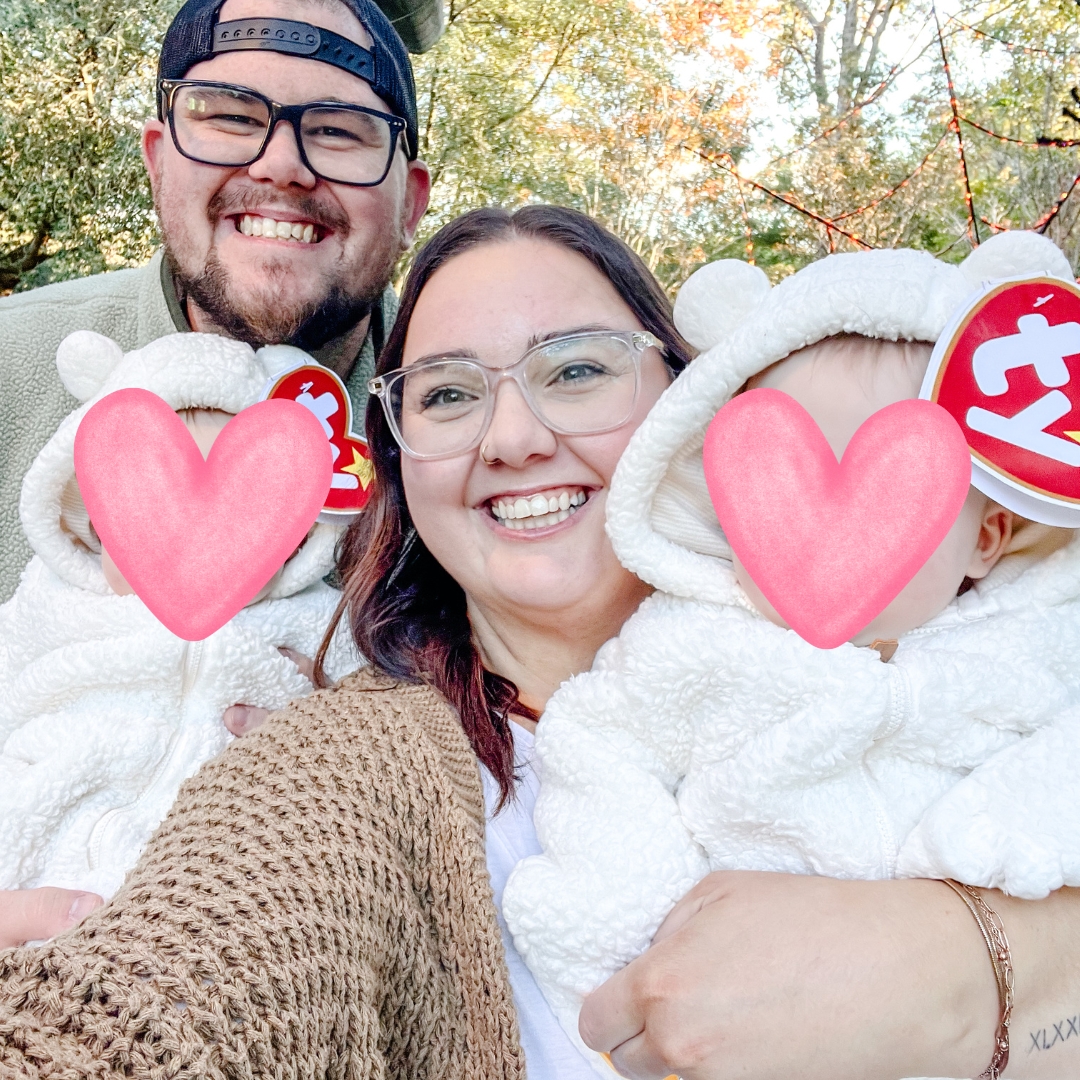
Shortly after we saw our second placement reunify we relocated to South Carolina. Not long after moving to South Carolina, we became a kinship foster placement through an Interstate Compact on the Placement of Children (ICPC) between Tennessee and South Carolina for my infant twin cousins who are currently placed in our home. We quickly learned that fostering as a licensed foster parent and fostering through kinship are starkly different.
These experiences shaped me not only as a foster parent, but also in my understanding of what it means to support the entire family.
Foster care is about so much more than opening your home to a child. It is about walking alongside children and families through uncertainty, advocating for what is best for them, and recognizing that the people surrounding a foster family and biological family can make a tremendous difference.
That is where my connection to Fostering the Family becomes deeply personal.
During our first placement, we were part of a church community that surrounded us with support. Our church family showed up for us as we navigated foster care, and we experienced firsthand what it felt like to be cared for by people who understood the importance of the work we were doing.
By the time we welcomed our second placement, we were attending a different church. Through no fault of their own, our church community was less familiar with foster care and didn’t necessarily know how to support us. The difference between those two experiences was significant. We could feel how much the support surrounding us affected our experience as foster parents.
It made me realize that there are so many churches that are willing and eager to help foster, adoptive, and kinship families. They want to show up. They want to make a difference. Sometimes, they simply don’t know where to start or what those families actually need.
Throughout Scripture, we see God’s heart for vulnerable children and families. I truly believe that if more people understood the needs of children and families in their own communities, more people would be willing to step in and help.
That is why Fostering the Family matters so much to me.
We have the opportunity to help churches turn their willingness into meaningful action. We get to equip and support them as they learn how to show up well for the families in their congregations and communities. We help people recognize that supporting foster care doesn’t always mean becoming a foster parent. Sometimes, it means becoming the community that helps a foster family keep going.
If there is one thing I hope you take away from my story, it is this: Don’t underestimate what you have to offer or discount the gifts God has given you.
As a foster parent, you have no idea how much the seemingly small things can mean. Sometimes, it is a warm dinner that I don’t have to worry about cooking after an exhausting day. Sometimes, it is a grocery order with milk, juice, and chicken nuggets because somehow we are already out of the things the kids love, and I didn’t even realize it. Sometimes, it is a simple text asking how a visit went or how a court date went because you remembered to check in.
Those things might seem small to the person offering them, but to the family receiving them, they can mean everything.
Maybe you aren’t called to open your home to children. But you may be called to bring a meal, run an errand, offer encouragement, pray, remember an important date, or simply remind a family that they aren’t walking this road alone.
Those seemingly small acts of love help create the support system that allows foster parents to continue showing up for the children and families God has placed in their lives.
When I look back at my own story, I can see how God used people to fill gaps in my life, how He brought my husband and me into the world of foster care, and how our experiences as foster parents opened our eyes to the importance of community.
Today, through Fostering the Family, I get to be part of helping others show up for vulnerable children and families in the same way people once showed up for me.
And that is my why.
Kara Kistner
Upstate Regional Support Coordinator

0 Comments